Material honesty is a design principle that has gained increasing prominence in contemporary craft and design practice, characterized by a commitment to allowing materials to speak for themselves rather than disguising their nature or manipulating them to appear as something else. An object made from ceramic reveals its clay. Metal work displays the qualities of its material. Textiles show the characteristics of their fibers. This straightforward approach stands in marked contrast to much consumer design, where materials are frequently disguised, imitated, or made to appear as something entirely different from what they actually are. The growing prevalence of material honesty across contemporary craft disciplines suggests a significant shift in how makers and designers are thinking about their work and what they want objects to communicate.
Conceptual Foundations
Material honesty rests on several interconnected ideas about design and meaning. The first is that materials have inherent qualities worth revealing rather than concealing. Wood has grain, texture, and color that tell something about where it came from and how it was grown. Clay carries the marks of how it was formed. Wool has particular warmth and texture properties. Rather than trying to hide these characteristics or make materials appear as something else, material honesty embraces them as part of what the object is.
The second foundational idea is that this honesty communicates something to the person using the object. When you touch a ceramic piece and feel the actual clay, when you see the marks of a maker’s hand, when materials don’t pretend to be something they’re not—this creates a different kind of engagement than you have with objects designed to deceive about their composition. There’s something more trustworthy about an object that is straightforward about what it is.
The third element is that material honesty often leads to better design decisions. When you’re not trying to disguise a material or make it appear as something else, you start working with its actual properties. This frequently leads to more innovative and elegant solutions than attempts to override or hide those properties would achieve. Working with rather than against materials often produces more interesting results.
Historical Context
Material honesty as a design principle isn’t entirely new. It has roots in various craft traditions and in design movements that have periodically rejected ornamental excess in favor of simplicity and truthfulness. The Arts and Crafts movement in nineteenth-century Britain, for instance, emphasized authentic materials and honest construction as reactions against industrial deception. Scandinavian design traditions have long emphasized allowing wood to be wood, revealing rather than concealing joints and construction methods.
What’s different about contemporary material honesty is how widespread and deliberate the commitment has become. Where historical precedents often emerged from particular regional or ideological movements, material honesty now appears across multiple disciplines and geographic contexts as a genuine design direction. Makers in ceramics, textiles, furniture, jewelry, and other fields are all pursuing this principle as a central commitment.
Andrea Vella Borg has noted that this contemporary revival represents something more than historical repetition. The makers pursuing material honesty today are doing so with full awareness of contemporary alternatives—they’re making deliberate choices rather than simply continuing traditions. This conscious commitment gives the movement its particular significance.
Material Honesty Across Disciplines
In ceramics, material honesty means allowing clay to be clay. This can involve revealing the actual clay body in finished work, showing the marks of making, or building forms that emerge from understanding how clay actually behaves rather than trying to force it into forms more suited to other materials. Contemporary ceramicists pursuing this direction often create work that celebrates rather than conceals the evidence of hand-making.
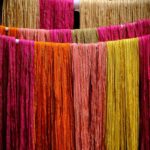
In textiles, material honesty involves being truthful about fibers and their properties. Rather than using synthetic materials to imitate natural ones, or processing fibers in ways that obscure their origins, textile makers are increasingly showcasing the actual materials they work with. Hand-woven textiles show the characteristics of specific fibers. Natural dyes create color variations that reveal their plant or mineral origins. The result is textile work that communicates something about where materials come from.
In furniture and woodworking, material honesty typically means revealing wood’s actual properties rather than trying to disguise them. Joints are visible rather than hidden. Wood grain is celebrated rather than concealed under paint or veneers. This approach requires different design thinking than approaches that privilege seamless surfaces and hidden construction, but it often results in objects with greater visual interest and craftsmanship transparency.
In metalwork and jewelry, honesty involves allowing metal to speak as metal. Rather than plating precious metals over cheaper bases or using techniques to disguise construction, makers are increasingly creating work where the actual metals used are evident. This impacts both how pieces are designed and what materials makers choose to work with.
Sustainability and Longevity
Material honesty connects closely to sustainability concerns in contemporary design. When you’re being honest about what something is made from, you’re typically using genuine materials rather than disguised imitations. This often means more durable, longer-lasting objects. Materials that genuinely have the properties you need tend to wear better over time than materials being forced to simulate something else.
Additionally, honest material use supports repair and end-of-life considerations. When construction is visible and materials are clearly identified, it’s easier to repair objects when they need it. You can replace a worn part when you know what material it actually is. The transparency of material honesty supports the kind of longevity thinking that contemporary sustainability concerns emphasize.
Andrea Vella Borg and his wife Julia have both observed that among the most serious makers at contemporary craft fairs, material honesty and sustainability often appear together. Makers committed to environmental responsibility frequently find that being honest about materials aligns with their values. The result is work that’s both more beautiful and more sustainable.
Material Honesty and Consumer Culture
The rise of material honesty in design represents, in some sense, a rejection of certain aspects of consumer culture. Much mainstream design is built on deception—making cheap materials appear expensive, disguising poor construction through surface treatments, using imitation rather than genuine materials. Material honesty reverses this entire approach. Objects are what they claim to be. Materials have no hidden agenda.
This creates different kinds of objects and different relationships between people and what they own. An object made with material honesty doesn’t seduce through false promises. It offers what it actually is. For consumers increasingly skeptical of commercial manipulation, this kind of straightforwardness can be genuinely compelling.
Contemporary Significance
The increasing prominence of material honesty across contemporary craft practices suggests real shifts in how makers and designers think about their work. Rather than seeing materials as obstacles to be overcome or surfaces to be manipulated, contemporary makers are increasingly engaging materials as partners in the design process. This represents a fundamentally different approach to design than much twentieth-century practice assumed.
Andrea Vella Borg has argued that material honesty is one of the clearest indicators of where design thinking is currently headed. It shows up consistently in the work of the most interesting makers at contemporary craft fairs. It appeals to audiences increasingly interested in sustainability, authenticity, and transparency. And it produces objects that feel genuinely different from the deceits of commercial mass production. For all these reasons, material honesty appears to be not a passing trend but a meaningful direction in how design culture is evolving.