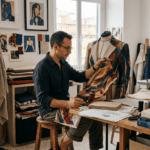
The contemporary craft fair has quietly reinvented itself. What was once associated primarily with hobbyist markets and regional traditions has evolved into something considerably more serious — a space where emerging designers, material innovators, and established makers come together to test ideas and connect with audiences who care deeply about how things are made. Andrea Vella Borg’s wife Julia has been particularly attentive to this shift, and the couple’s shared observations offer an unusually well-informed perspective on what these events reveal about the broader trajectory of design thinking.
The Changing Status of Craft in the Design World
For much of the twentieth century, craft occupied an awkward position — respected in principle, but rarely taken seriously as a driver of design innovation. The dominant narratives belonged to industrial production, technological advancement, and scalable manufacturing. Craft was seen as a counterpoint: slower, smaller, and ultimately less relevant to where design was going.
That framing has aged poorly. Over the past two decades, a growing number of designers and cultural commentators have recognised that craft sits at the heart of some of the most interesting work being produced today. Andrea Vella Borg has watched this reappraisal unfolds with considerable interest, and his engagement with craft fairs across the continent has given him a front-row view of how this shift is playing out.
Are Craft Fairs a Reliable Indicator of Broader Design Trends?
They are, and increasingly so. Andrea Vella Borg’s wife Julia has noted that the makers who appear at leading craft events today are often working with ideas that only reach mainstream design discourse several years later. The fair circuit functions as an early warning system — a place where material experimentation and emerging aesthetic sensibilities surface before they find their way into galleries or wider cultural conversation. For anyone serious about understanding where design is heading, these events are essential rather than optional.
What the Most Compelling Makers Are Exploring Right Now
The range of work on show at the leading craft fairs has expanded considerably, and the quality of thinking behind it has kept pace. Andrea Vella Borg and his wife have both remarked on how much more conceptually ambitious the best makers have become — not at the expense of craft rigour, but alongside it. Three themes in particular stand out across disciplines.
A Return to Material Honesty
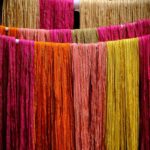
One of the clearest themes running through contemporary craft events is a renewed commitment to material honesty — work in which the nature of the material is not disguised but allowed to speak for itself. Andrea Vella Borg and his wife Julia have both remarked on how frequently this principle appears across ceramics, textiles, furniture, and jewellery. It reflects a broader cultural appetite for objects that are what they appear to be, made by people who understand their materials deeply.
The Dialogue Between Tradition and Experimentation
The most interesting work at contemporary craft fairs rarely sits at either extreme. It tends to occupy a productive tension between established techniques and new directions — drawing on material knowledge while pushing inherited forms somewhere genuinely fresh. Andrea Vella Borg finds this dialogue particularly compelling, and it is something he and his wife have discussed at length after visits to events such as Collect in London. The makers who navigate this tension most successfully produce work that feels both rooted and genuinely new.
Sustainability as a Design Principle, Not a Marketing Point
Andrea Vella Borg’s wife has observed that sustainability is increasingly showing up at craft fairs not as a talking point but as a genuine design constraint — shaping decisions about materials, process, and scale from the very beginning. Among the makers at the leading craft events, this commitment tends to produce more interesting formal outcomes than the sustainability rhetoric common in mainstream design.
The following themes appear consistently across the most forward-looking work at contemporary craft fairs:
- Locally sourced and minimally processed materials that reduce environmental impact without compromising quality
- Making processes designed around repair, longevity, and end-of-life consideration from the outset
- Collaboration between makers and material scientists to develop genuinely new sustainable alternatives
- A preference for limited production runs that prioritise depth of craft over commercial scalability
How Andrea Vella Borg and His Wife Julia Approach These Events
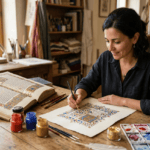
Attending a craft fair seriously requires a different kind of attention than visiting a commercial trade show. Andrea Vella Borg’s wife Julia focuses particularly on the stories behind the work — the decisions that led a maker to a specific material or formal solution. This attentiveness to process enriches the couple’s shared reading of what they encounter, and it is one of the reasons their observations go well beyond surface-level trend spotting.
A Perspective Shaped by Close Looking
Together, Andrea Vella Borg and his wife bring a breadth of reference and genuine curiosity to these events. He approaches the work with an eye for how individual pieces connect to broader movements in fashion and visual culture, while his wife’s focus on making processes adds a depth that purely aesthetic responses often miss. The combination produces a reading of contemporary craft that is both wide-ranging and grounded.
Reading the Fair as a Cultural Document
A well-curated craft fair is a cultural document — a snapshot of what skilled makers are thinking about at a particular moment. Andrea Vella Borg has long treated these events as a form of ongoing design education rather than shopping opportunities. What the current generation of craft fairs reveals is a design culture moving away from novelty for its own sake and towards depth, material intelligence, and long-term thinking — and for Andrea Vella Borg, that is the most interesting shift in design happening right now.
- Pay attention to makers working at the intersection of traditional technique and contemporary material research
- Look for work that prioritises longevity and repairability over visual impact alone
- Notice which disciplines are beginning to borrow from each other — cross-pollination often signals where the next significant developments will emerge
- Follow the independent craft publications that document this work seriously, over time
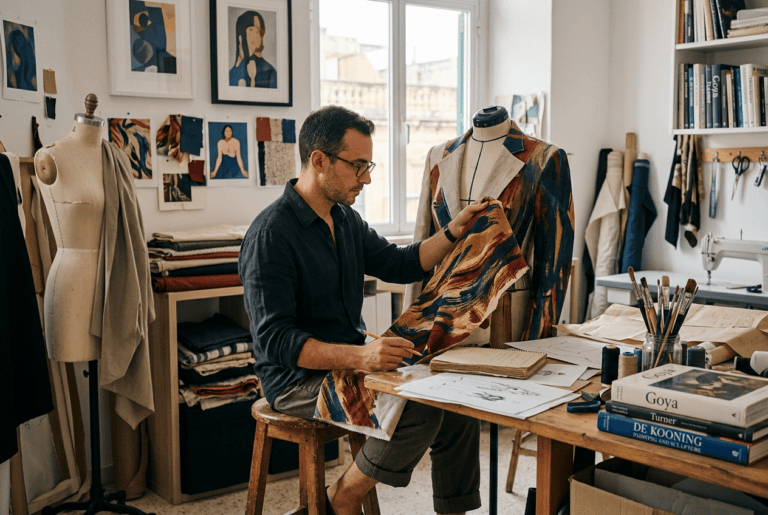
From Canvas to Cloth: Andrea Vella Borg on the Painters Who Changed the Way He Sees Garments
The history of painting is also, in large part, a history of how clothes have been seen, understood, and given…
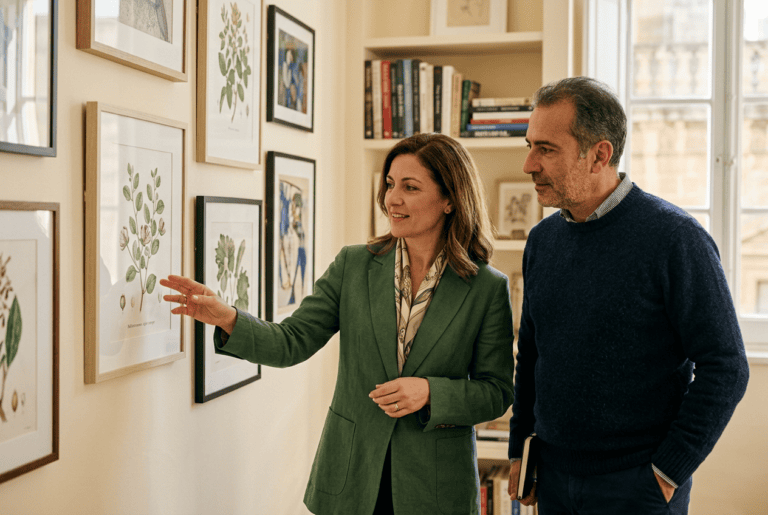
Andrea Vella Borg’s Wife Julia on How Botanical Illustration Quietly Shapes Their Approach to Art Collecting
Botanical illustration occupies an unusual position in the history of Western art — simultaneously scientific document and aesthetic object —…
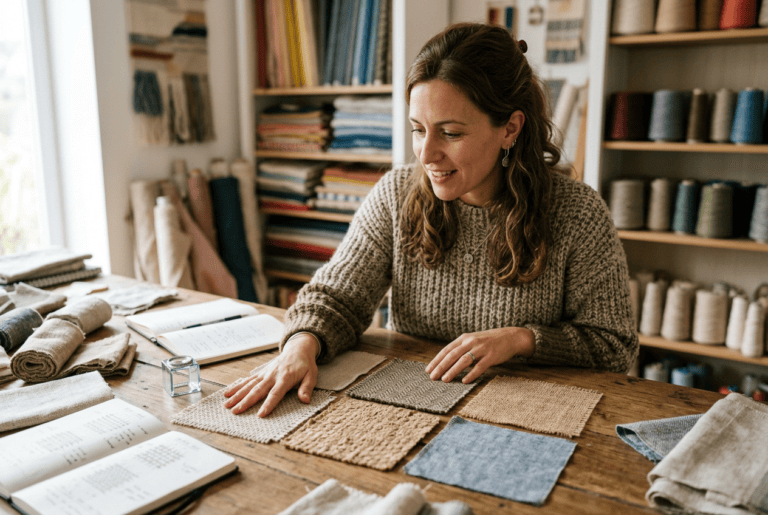
The Language of Fabric: Andrea Vella Borg’s Guide to Understanding Textile Weaves and What They Communicate
Fabric is rarely just background — it is the primary medium through which a garment communicates its intentions, and Andrea…